

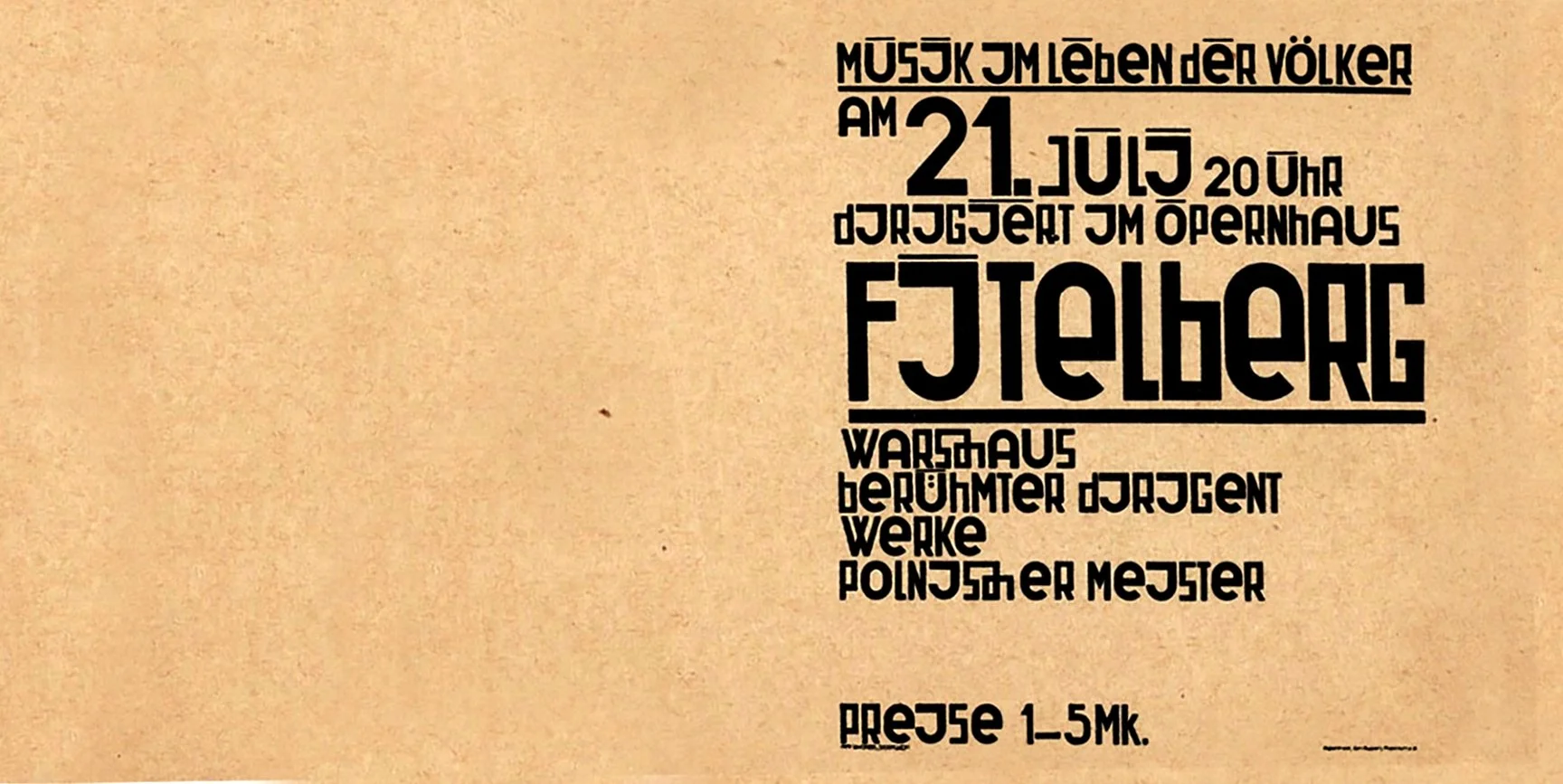
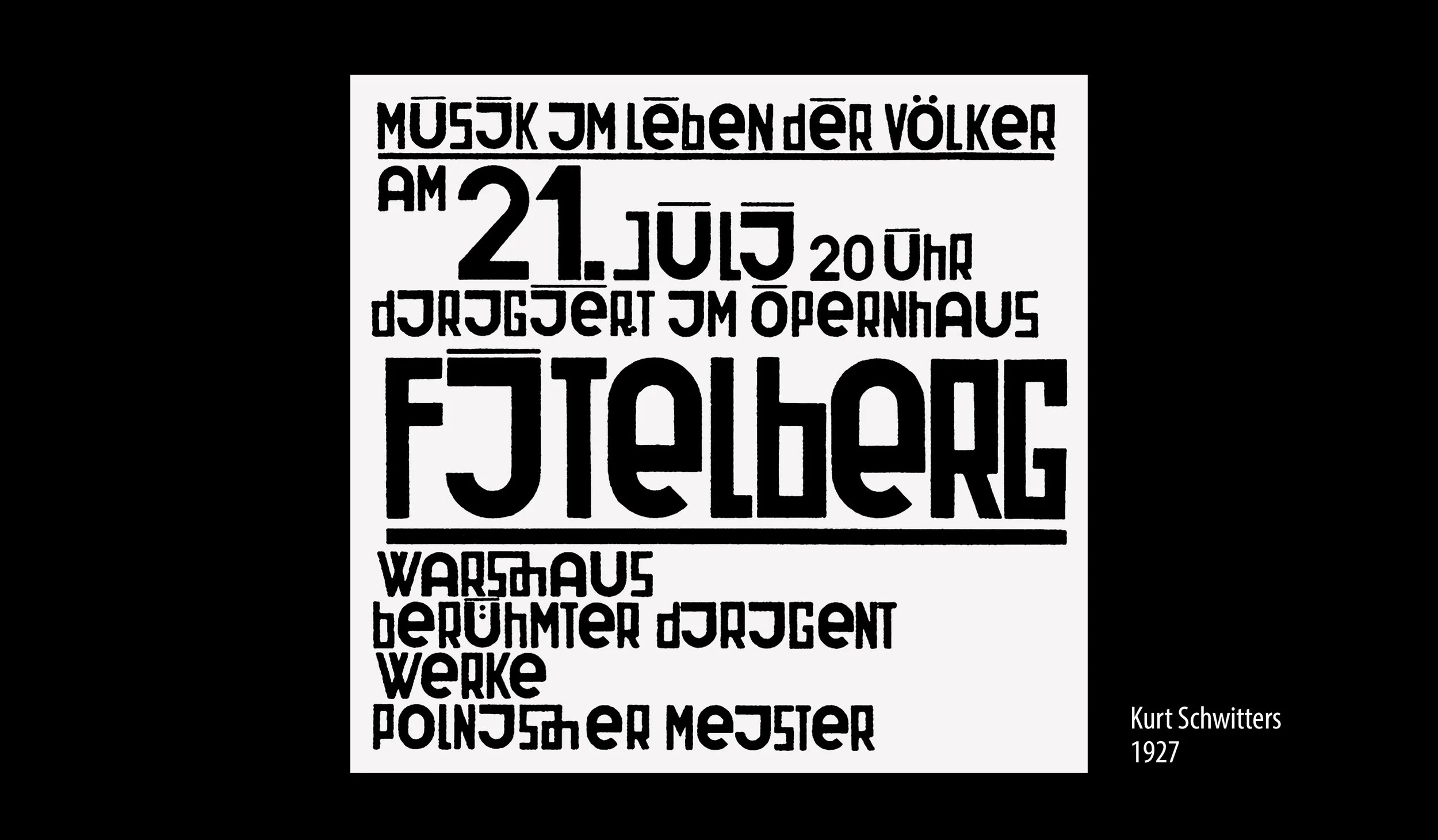
Kurt Schwitters was a true trailblazer in the world of avant-garde typography, constantly pushing the boundaries of language and visual expression. His typographic experiments were a hallmark of his innovative spirit, and his work continues to inspire artists, designers, and writers to this day.
Schwitters' "Merz" publications, a series of periodicals he founded and edited, are a testament to his bold and inventive approach to typography. These publications featured eclectic layouts, fragmented texts, and unconventional fonts that blurred the lines between art and literature, creating a truly unique and groundbreaking visual language.
His typographic work was characterized by a sense of playfulness, experimentation, and rebellion, reflecting his desire to challenge conventional norms and explore new possibilities. By combining typography, collage, and sound, Schwitters expanded the possibilities of language and art, leaving a lasting legacy in the world of avant-garde art and design.
Schwitters' influence can be seen in the work of countless artists, designers, and writers who have followed in his footsteps, experimenting with typography and pushing the boundaries of visual expression. His innovative approach and experimental spirit continue to inspire new generations of creatives, cementing his place as one of the most important figures in the history of avant-garde typography.
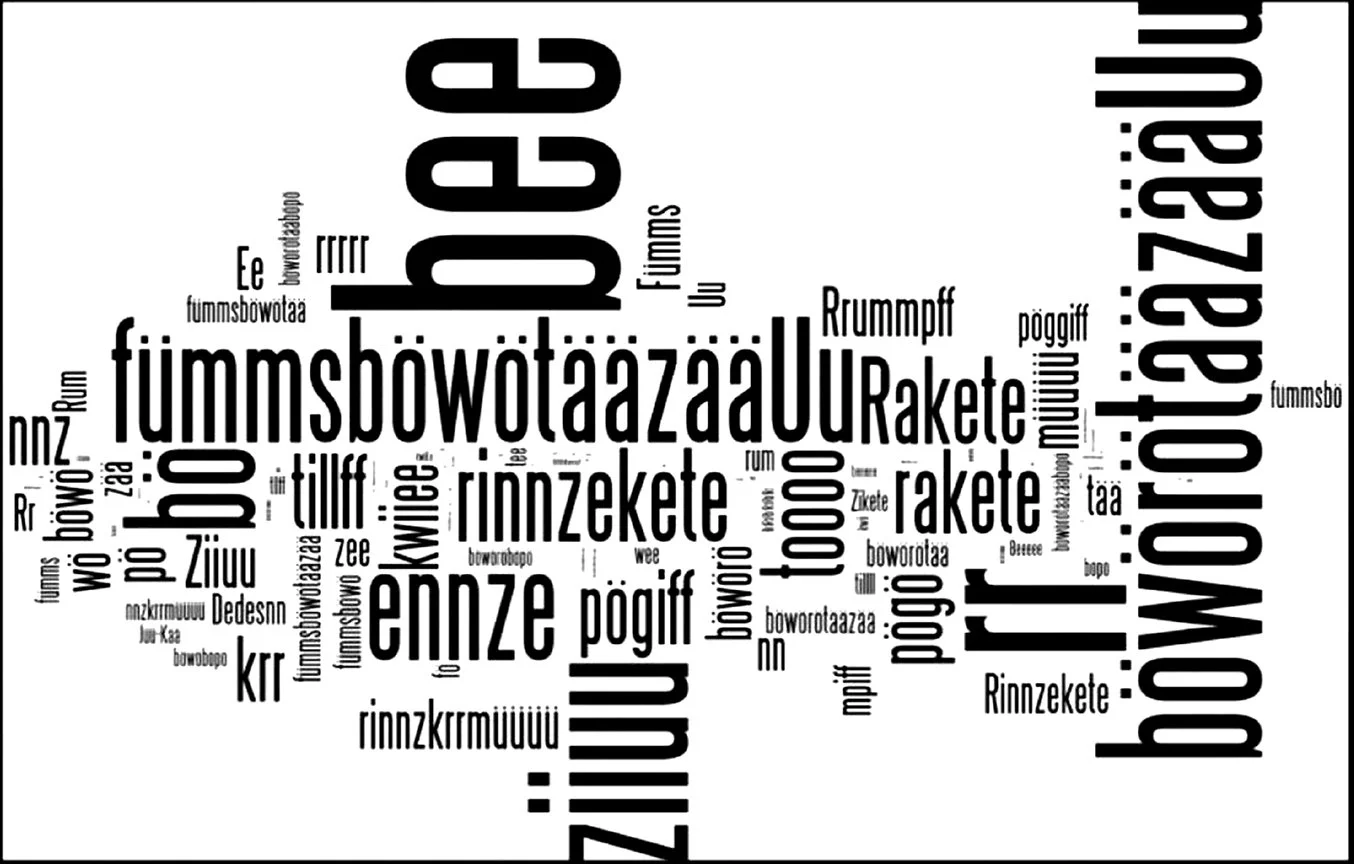
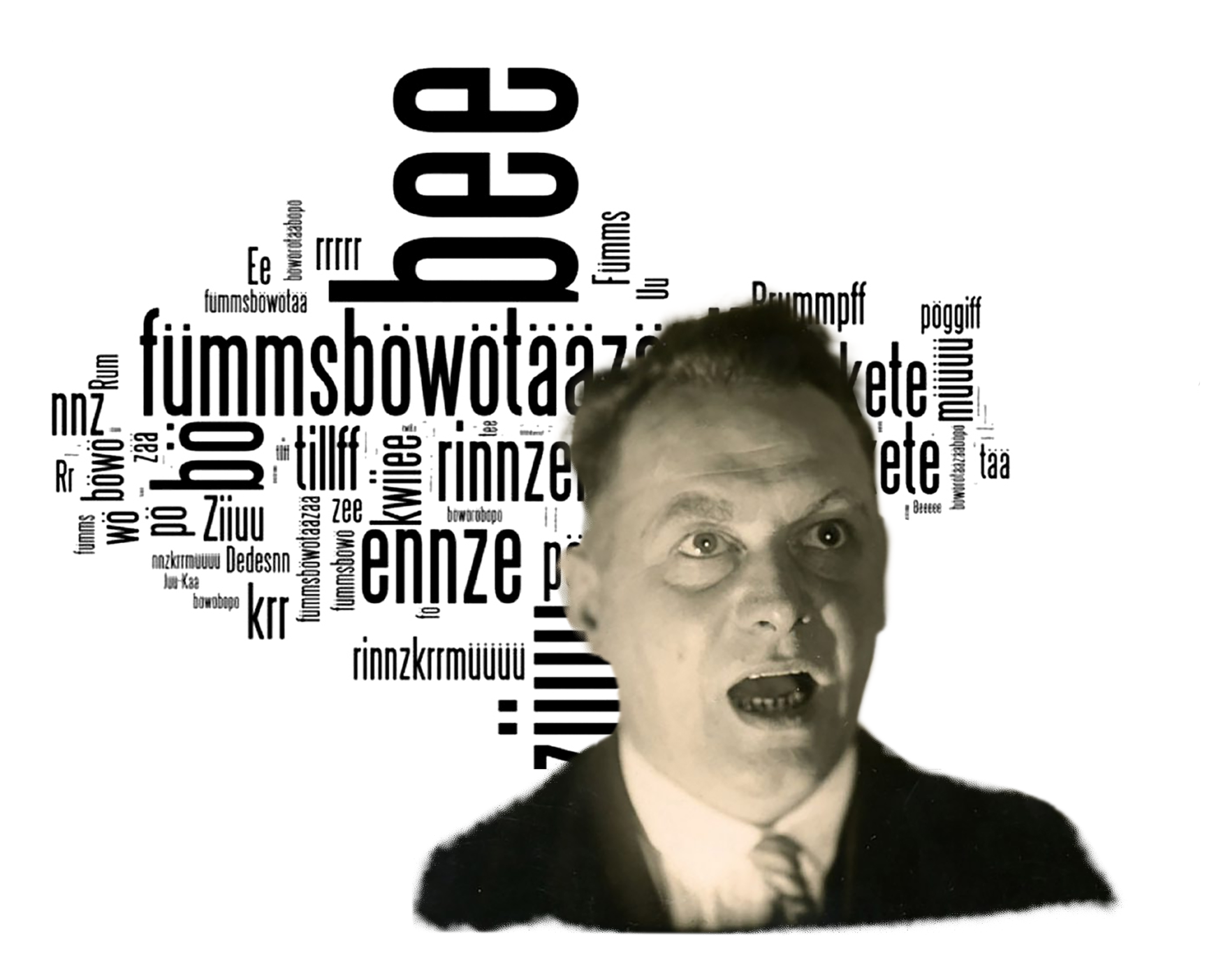
Kurt Schwitters' "Ursonate" is a masterpiece of avant-garde art, showcasing not only its Dada sound poem roots but also an astonishing typographic structure that exudes depth and perfect harmony. The work's innovative use of typography creates a visual representation of sound, with letters and words arranged in a way that evokes the rhythms and cadences of spoken language.
The "Ursonate" typographic structure is a testament to Schwitters' genius, as he skillfully balances form and function to create a work that is both visually stunning and aurally evocative. The poem's layout, with its carefully crafted use of whitespace, font sizes, and line breaks, adds a new layer of meaning to the sound poem, inviting the reader to explore the interplay between sound, sight, and sense.
Schwitters' work on "Ursonate" demonstrates his pioneering spirit, as he pushes the boundaries of typography and language to create something truly unique and groundbreaking. The result is a work that not only challenges our perceptions of art and language but also continues to inspire and influence artists, designers, and writers to this day.